6 weeks · 5 sessions · Online / in-person
Neurodivergent Self-Esteem
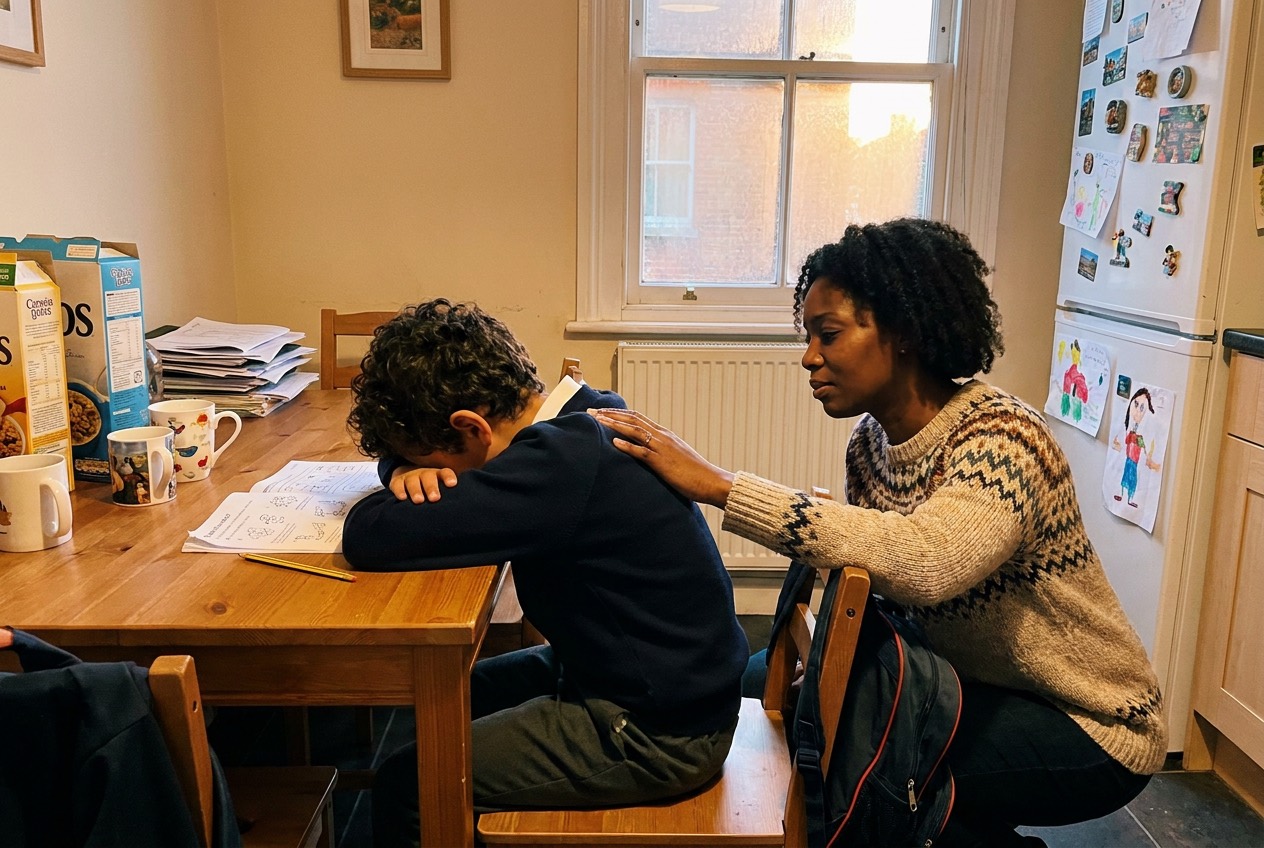
When your child says ‘I'm stupid’ or ‘I'm bad’, you can help them build a kinder story about themselves. Across 5 x 45-minute sessions over 6 weeks, you'll learn how to change the language at home, talk about the diagnosis and create experiences that build confidence, without your child needing to attend.
- 5 sessions of 1:1 time (3h 45m)
- Booked at your own pace
- Not ready for 5 sessions? Start with the 3-session starter
- Save £20 on booking the sessions separately
- Switch specialist anytime
Not sure this is the right programme?
This programme includes
Self-concept assessment and goal setting
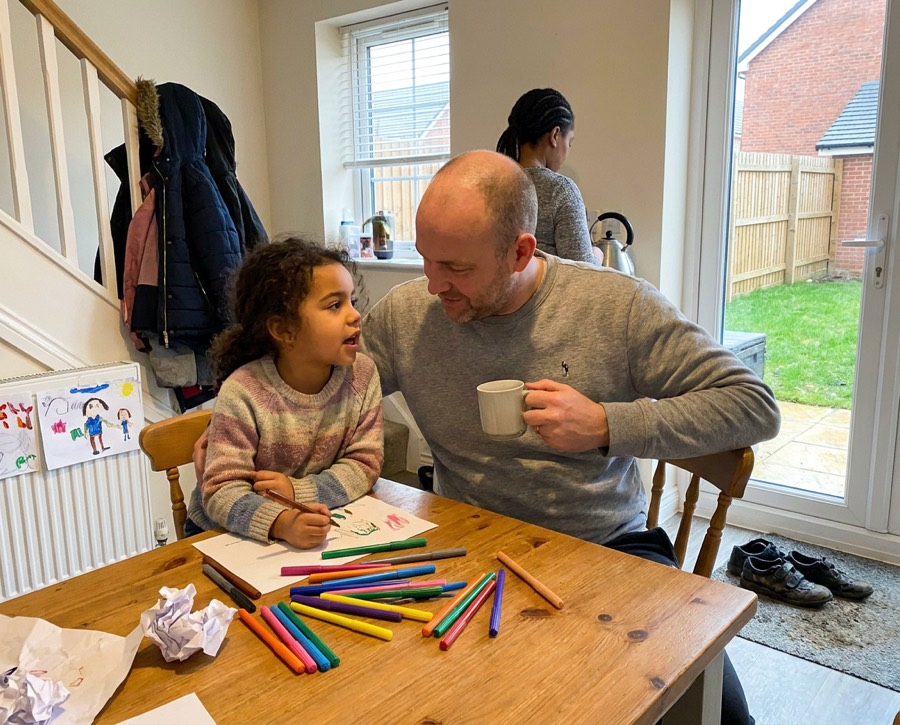
- Explore your child's self-story and agree goals with the specialist
- Clear goals for building a more strengths-based self-story
Strengths-based language: home practice
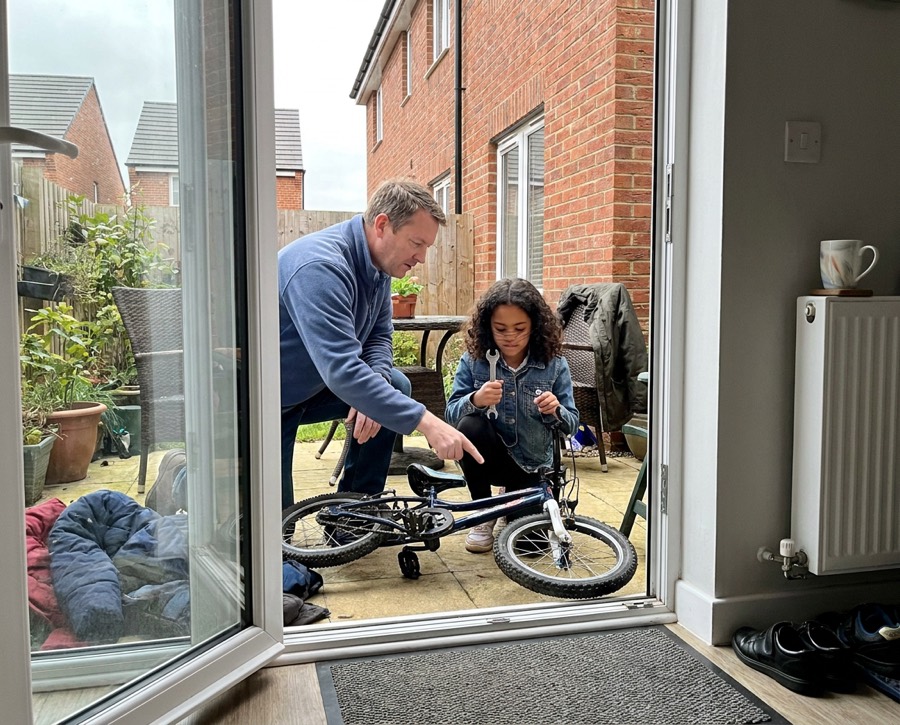
- Practise strengths-based language for everyday conversations at home
- Words to help your child notice their strengths
Diagnosis disclosure and identity support
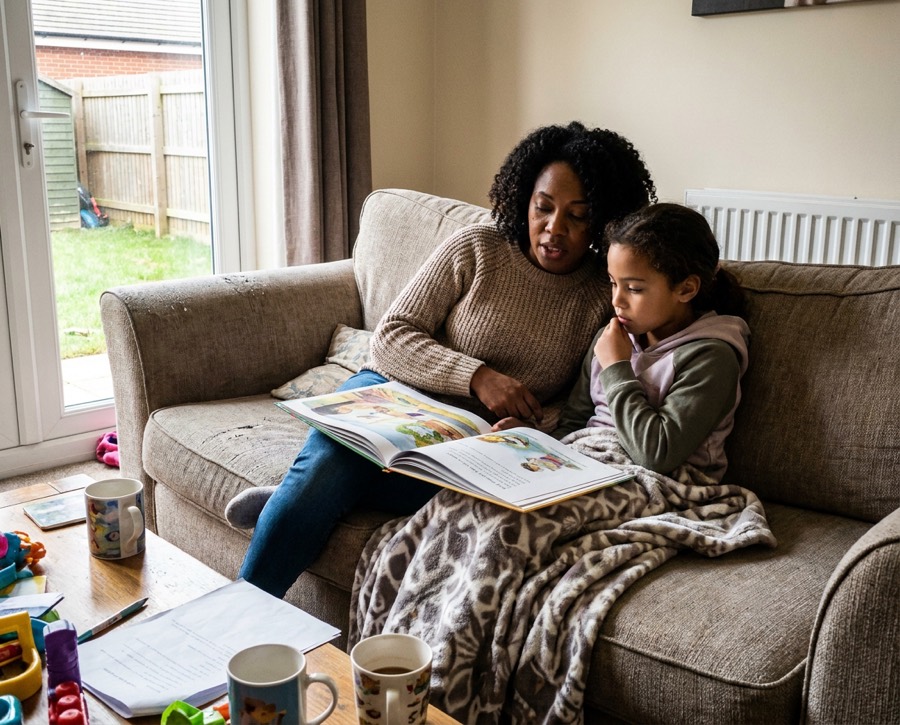
- Prepare how to talk with your child about their diagnosis
- Language for a clear, strengths-based diagnosis conversation
Competence building: had-a-go plan
- Build a had-a-go plan around achievable competence experiences
- A practical plan for helping your child experience competence
Progress review and forward plan
- Review what you have tried and shape your next steps
- A forward plan for continuing strengths-based support at home
The research behind it
This programme is informed by the research behind strengths-based approaches and self-determination in neurodivergent young people, and by post-diagnostic identity research into how young people rebuild their self-story after a diagnosis. It is specialist guidance for parents, not diagnosis or treatment.
How we'll know it worked
You will compare the session 1 baseline with the final session side by side, looking for kinder self-talk and more willingness to try new things rather than guessing whether things changed.
- In session 1, you set 2 or 3 goals in your own words, with your teen where they attend, score each from 0 to 10 and score them again at the end.
- A weekly ‘had a go’ log is a 30-second check-in that counts the things your child tried.
- Short self-esteem questions are completed at the start and again in the final session.
Is this for me?
Since or around the diagnosis, your child or teen has started saying ‘I'm stupid’, ‘I'm bad’ or ‘everyone hates me’.
You want to help them make sense of being neurodivergent without letting a diagnosis become a negative story about who they are.
They refuse new activities or give up straight away because failing feels too risky.
You want to help them notice what they can do and become more willing to have a go.
You do not know how, or whether, to talk to your child about their diagnosis.
You want words that fit their age and stage, and a plan for answering their questions.
Would you rather have one conversation first? £40 online chat with a neurodiversity specialist fits better.
No waiting lists, specialists on-demand
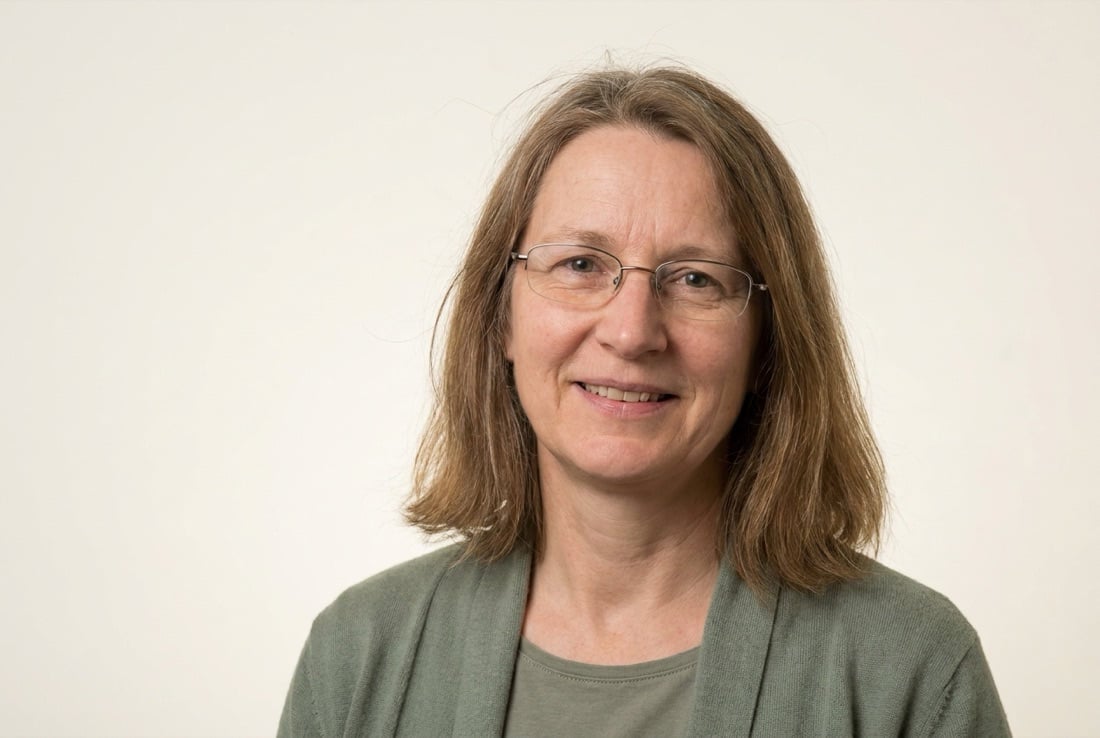 HCPC verified4.9
Dr Helen Marsh
Educational Psychologist
Helps families understand assessments and build a clear plan, without the jargon.
 RCSLT verified5.0
Mei Chen
Speech & Language Therapist
Gentle, play-based sessions that build confidence and communication at home.
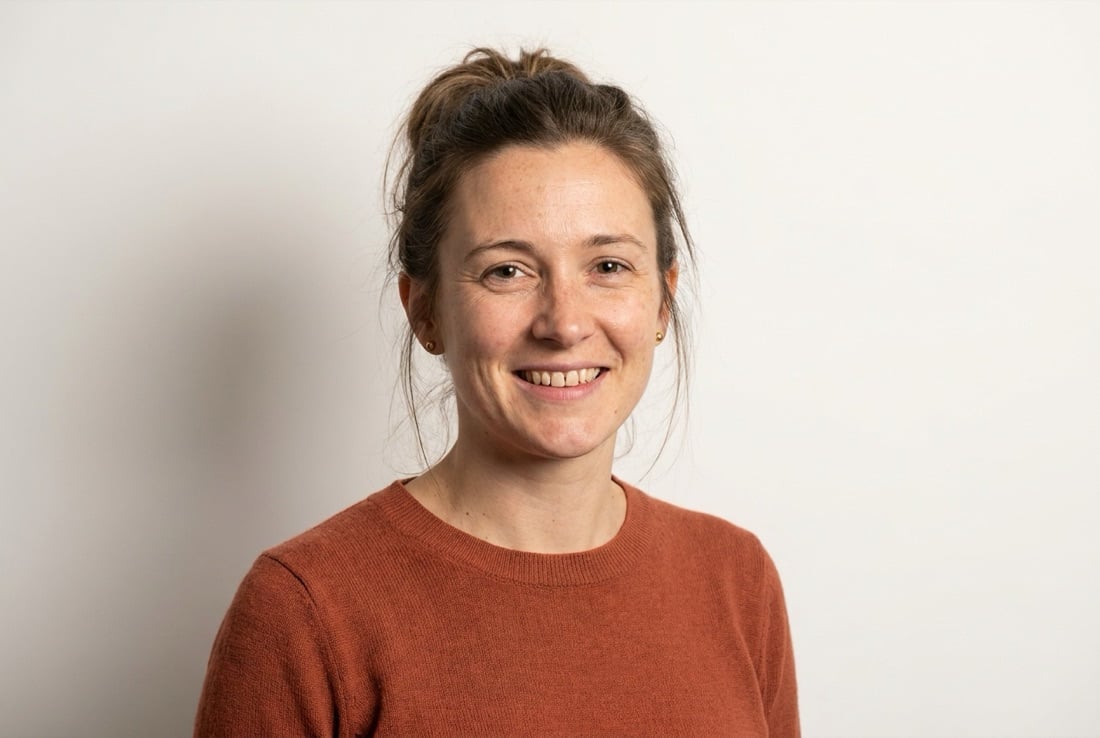 HCPC verified4.8
Sophie Bennett
Occupational Therapist
Practical sensory and motor strategies that fit into real, busy family routines.
Ready when you are
A programme of 1:1 video sessions with a vetted UK specialist, with the same continuity throughout.
No subscription · switch specialist anytime
Not ready to book?
Vetted before they ever meet your child
Enhanced DBS, qualifications verified against the awarding body, identity confirmed in person.
This is specialist guidance for parents, not diagnosis or treatment. Session 1 always screens for anything that needs your GP, NHS or CAMHS first, and we tell you straight away if it does.
Common questions
What if it does not work?
We cannot guarantee outcomes. If the goals are not achieved, the final session says so plainly and works out whether a different programme or specialist would fit better, a discounted top-up block is needed, or a clinical need calls for a written GP or CAMHS referral summary.
Who attends, and are sessions online?
The core programme is parent only and online, and your child never needs to attend. Teens aged 11+ can add an optional pair of direct sessions, preferably in person, although online is possible.
What happens if you are worried about my child's mental health?
Session 1 includes a red-flag screen. Low mood, self-harm or anything clinical is routed to the GP, NHS or CAMHS, because this is specialist guidance for parents, not diagnosis or treatment.
Why are there 5 sessions over 6 weeks?
Week 5 is a deliberate practice week with no session. You run the had-a-go plan, keep the weekly log and check in with your specialist by message before the final review.
What does the £380 cover?
It covers all 5 x 45-minute 1:1 sessions across the 6 weeks. Booked separately, the sessions would cost £400, so the programme saves £20.
Book your programme
A programme of 1:1 video sessions with a vetted UK specialist, and a written summary after each.
No subscription · switch specialist anytime
Not ready to book?