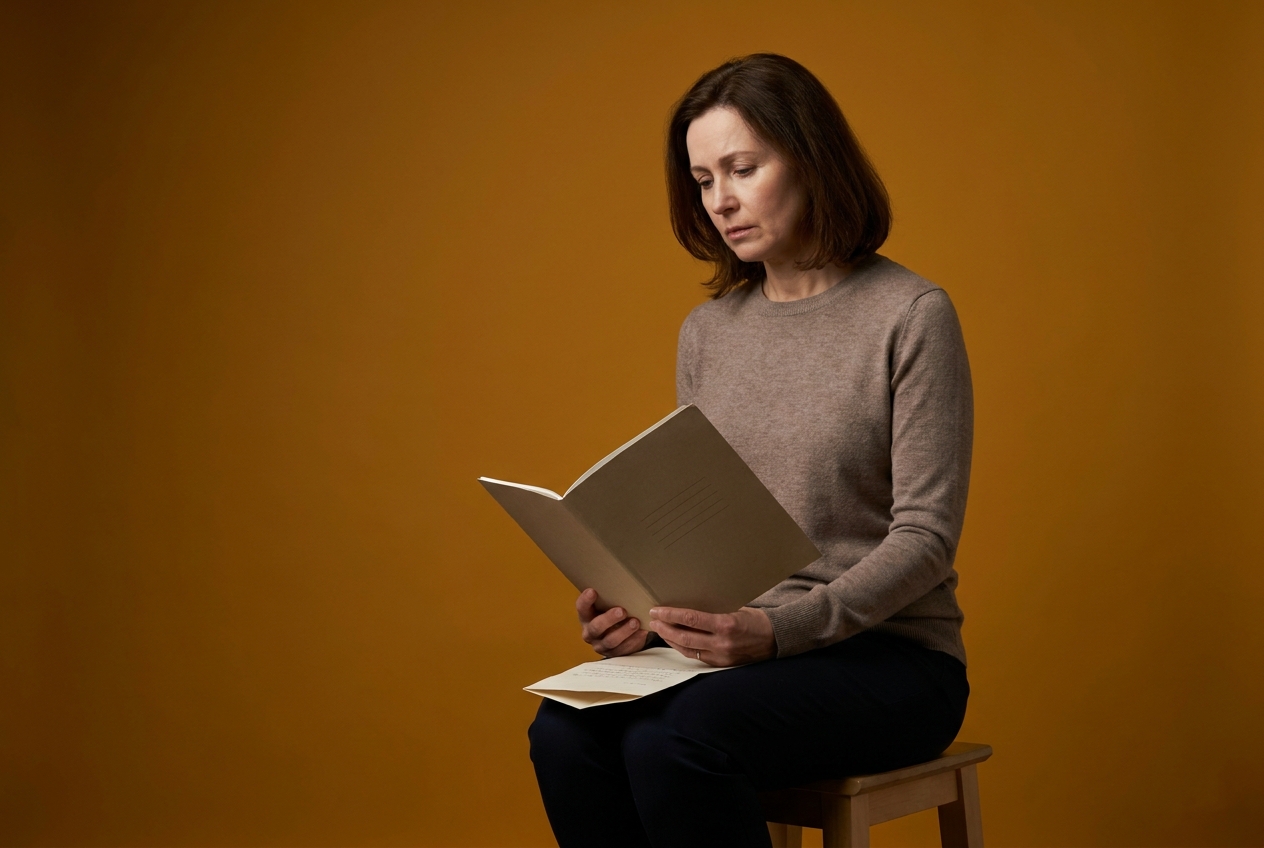
The head of inclusion has asked you in for a meeting. The school, she says gently, isn't the right environment for your child. She is sure you will agree that he'd be happier somewhere else. Have you considered home education? The deputy is writing notes. The atmosphere is kind. It doesn't feel like a threat. It feels like advice.
Three weeks later your child is off the roll, you are home-schooling, and the school has not formally excluded him. This is what is meant by off-rolling. It is not a kindness. Here is what it is, how to spot it, and what to do.
What off-rolling actually is
Off-rolling is a specific practice with a specific definition, not just schools being unhelpful. Ofsted's definition: off-rolling is the practice of removing a pupil from the school roll without a formal, permanent exclusion, or by encouraging a parent to do so, when the removal serves the interests of the school rather than the best interests of the pupil. (Ofsted blog, 2019 onwards. See References.)
The legal architecture makes this unlawful when it bypasses formal exclusion procedures. Schools have a clear, statutory route for permanent exclusion: written notice, stated reasons, governors' meeting, independent review panel. None of those steps is optional, and none can be replaced by a conversation that ends with parents removing the child themselves.
“The threat of exclusion must never be used to influence parents to remove their child from the school.”
The six common patterns of off-rolling
From Ofsted and SEN solicitor reporting, these are the patterns most often seen.
Why SEND children are disproportionately affected
The data is consistent and stark. Ofsted's 2019 and subsequent reporting, the DfE “Off-rolling: exploring the issue” study, and peer-reviewed analyses of school exclusion data all show:
- Pupils with SEN are several times more likely to be removed from a school roll than non-SEN peers.
- Pupils with social, emotional and mental health needs (SEMH) are at particularly elevated risk.
- Pupils on Free School Meals are over-represented.
- Black Caribbean and Mixed White/Black Caribbean pupils are over-represented.
- Pupils with low prior attainment are over-represented.
The pattern, taken together, is that off-rolling is most often a school's response to a pupil whose needs the school finds it difficult to meet, costly to support, or embarrassing in attainment terms. (Ofsted, DfE 2019; Done & Knowler, 2022.)
The reframe that helps families: if you are being asked to consider home education or to move schools, ask yourself whether this conversation would be happening if your child did not have SEND. If the honest answer is no, you are very probably in an off-rolling conversation.
The kindness in the room is real. It is also the technique.
The phrases that should put you on alert
A short list, drawn from SEN solicitor casework. None is on its own conclusive; together they describe the conversation.
- “We don't think we're the right school for him.”
- “Have you thought about elective home education? Lots of families find it works really well.”
- “I think a fresh start at a different school would be best.”
- “If we can't resolve this we may have to consider permanent exclusion.”
- “Why don't you take him home for the rest of the week and see how he is on Monday.”
- “A managed move would avoid the exclusion going on his record.”
- “We've done everything we can.”
None of these is unlawful in itself. All of them are common in conversations that end in off-rolling. Hearing one or two is normal; hearing the cluster should put you on careful notice.
Informal or “unofficial” exclusion: always unlawful
One specific form of off-rolling has a clear legal answer. A child sent home without an official suspension letter is, legally, informally excluded. This is unlawful regardless of the reason, regardless of parental consent, and regardless of how briefly. The DfE's statutory guidance on suspension and permanent exclusion is clear that all exclusions must follow the formal procedure with written notice. (DfE, Suspension and permanent exclusion guidance. See References.)
Specifically unlawful:
- Being asked to pick up your child without a written suspension letter.
- Repeated “please collect early” calls without documentation.
- Being told to keep your child at home tomorrow without a written suspension.
- Asked to keep your child at home pending an investigation.
- A school refusing to admit your child on a given day without a formal exclusion process.
In each case the school must either admit the child, or issue a formal suspension following statutory procedure. There is no middle path that is lawful.
What schools can lawfully do vs what they can't
A clear split to keep beside the kettle for the next meeting. The same decision can sit on either side of the line, depending entirely on whether the statutory procedure is followed.
If it is happening: what to do
Four routes, in order of escalation.
- Ask for everything in writing. Any suggestion to withdraw, transfer, home-educate, or informally exclude must come on school letterhead, signed by the headteacher. Most off-rolling conversations don't survive a written request.
- Refuse to remove your child from the roll. You are under no obligation to do so. If the school persists, they must follow the formal exclusion route or stop pressing.
- Escalate to the LA. Most LAs have a named officer for exclusions and attendance. Email them with the conversation summarised and dates. Mark the child as still on the roll.
- Report to Ofsted and (for academies) the regional director. Ofsted's “Contact us about off-rolling” route is publicly available; reports are taken seriously and inform inspection priorities. (Ofsted whistleblowing route. See References.)
A SEN solicitor can also assist with disability discrimination claims under the Equality Act 2010 where the off-rolling links to SEND. Many work on legal aid for these cases.
If you've been pushed towards elective home education
Elective home education (EHE) is a lawful, valued choice for many families. It is rarely the right choice made under pressure. If you have already deregistered your child under pressure from the school:
- You can change your mind. You can apply to re-register your child at the same school or a different one. The original school is not required to take them back, but the LA must make a school place available.
- Document the conversation that led to deregistration. Dates, attendees, what was said. This evidence supports an LA complaint or a discrimination claim.
- Make a formal complaint to the school via the governing body, copied to the LA, and to Ofsted or the regional director (for academies).
- Get specialist advice from IPSEA, SOSSEN, or a SEN solicitor on whether a disability discrimination claim under the Equality Act 2010 is supportable.
For families who choose home education actively, Education Otherwise (educationotherwise.org) and Home Education Advisory Service (heas.org.uk) are the UK lead resources.
What to do this week
Three things. The first two cost you an evening; the third costs you a phone call.
If you want someone in your corner while you do it, a Remarkable Minds SEND specialist will sit with you for an hour and help you read the situation, draft the emails, and frame the escalation. For formal legal advice IPSEA, SOSSEN and SEN solicitors remain the lead routes. Find a specialist (£80 a session, by video call).
Where this comes from
The sources behind every claim in this article.
- Ofsted on off-rolling. Ofsted education inspection blog, What is off-rolling; DfE/Ofsted, Off-rolling: exploring the issue.
- DfE statutory guidance on exclusions. Suspension and permanent exclusion from maintained schools, academies, and pupil referral units in England (DfE statutory guidance). All exclusions must follow statutory procedure.
- UK research on off-rolling. Done EJ & Knowler H, Illegal school exclusion in English education policy, Emotional and Behavioural Difficulties, 2022.
- SEN-specific legal interpretation. Essex SENDIASS, Unlawful exclusions and off-rolling; SEN Legal, Unlawful exclusions.
- Where to report. gov.uk, Complain about a school; Ofsted whistleblowing line; your local LA exclusions officer.
- Free SEND advice. IPSEA 0300 030 0080; SOSSEN; your local SENDIASS.
This article is general information about the SEND statutory framework, not legal advice. Off-rolling and unlawful exclusions are a specialist legal area. For your specific case, contact IPSEA, SOSSEN, or a qualified SEN solicitor.
About the reviewer

Emma Owen
Owner of The SEN Support Studio
Former Local Authority SEN Advisor & specialist SEN teacher · 6+ years across SEN
Emma has 6+ years' experience across SEN as a teacher, Local Authority SEN Advisor and Trainer, and specialist SEN teacher. She has supported families through EHCPs, Annual Reviews, and tribunals, as well as sensory deep dives and personalised SEN Support. She works daily with complex needs including Autism, ADHD, SLCN, and sensory differences, and offers clear, practical, and personalised guidance to help parents understand their child and take confident next steps.
Scope of review: Emma reviews Remarkable Minds's content on EHCPs, annual reviews, transitions, sensory support, and parent advisory topics. She does not provide legal advice on tribunal proceedings; for that, contact IPSEA or SOSSEN.
Reviewed by Emma Owen ·