
The GP referred your child for autism assessment in February. You rang the autism team in June. They told you the waiting list is 22 months. Your child is six. You and your husband have spent three evenings looking at private clinics in two windows on the laptop. The cheapest is £950 and a drive away; the local one is £1,650 and known. Right to Choose came up in a Facebook group. None of you knows what is actually different between the routes. Here is the honest version.
The three routes, not two
Three real options exist. Most parents only hear about two of them, usually because the third is never mentioned at the referral conversation.
- NHS local pathway. Referred by the GP to the local community paediatric team (for under-18s) or adult autism diagnostic service (18+). NHS-funded. Free. Waits vary widely; in 2026 typically 1-3 years for under-18s, 2-5+ years for adults.
- NHS Right to Choose. Still NHS-funded; you choose the provider. Adult RTC is well-established; under-18 coverage is patchy by ICB. Typically faster than local but increasingly impacted by funding caps. See our piece on Right to Choose.
- Private assessment. You pay. The provider holds no NHS contract for your child. Cost typically £800-£2,500. Wait typically 2-8 weeks.
What actually changes between routes
These are the variables that matter to most families, route by route, as the market stands in 2026.
What doesn't change: the diagnostic standard
A good assessment is a good assessment regardless of who is paying.
UK autism diagnosis is governed by NICE guidelines (CG170 for under-19s, CG142 for adults) and uses standardised assessment tools: ADOS-2, ADI-R, 3Di, DISCO, and similar. The diagnostic criteria are in DSM-5 or ICD-11. A competent assessment, in any route, should:
- Use at least one standardised diagnostic tool.
- Include a developmental history (informant interview with parent/partner for childhood-onset diagnosis).
- Screen for co-occurring conditions (ADHD, anxiety, depression, learning difficulties).
- Be conducted by, or supervised by, a clinician registered with the HCPC (for psychologists), GMC (for paediatricians and psychiatrists), or BPS Chartered Psychologist register.
- Be multi-disciplinary, or at minimum involve at least two qualified professionals reviewing the evidence.
- Produce a written report citing the diagnostic criteria met (or not met) and the evidence base.
Cost and waiting times in 2026
This is the state of the UK assessment market, as of early 2026. NHS local pathway waits have grown significantly, and recent reporting and NHS audit data put the scale of it plainly.
NHS local pathway waits
- Adult autism assessment median wait: 3-5 years; some areas have effectively paused new referrals.
- ADHD assessment waits broadly similar.
Right to Choose waits in 2026
- Adult autism or ADHD via Psychiatry-UK or ProblemShared: 12-18 months at major providers, longer with funding caps.
- Under-18 RTC for autism is available in some ICBs but not others; ask your GP or check the ICB website.
Private assessment costs in 2026
- Adult autism: £800-£2,500 (London £1,500-£2,500; regional £800-£1,500).
- Child autism: £1,200-£3,000 (often higher due to multi-disciplinary requirement).
- ADHD assessment: £500-£1,500 (typically slightly cheaper than autism).
- Combined autism and ADHD: £1,500-£3,500.
- Post-diagnostic follow-up, medication titration, family sessions: additional costs.
What makes a good private assessment
The private market is uneven. Knowing what to ask for separates the credible from the questionable, and most of it is decided before your child ever walks into the room.
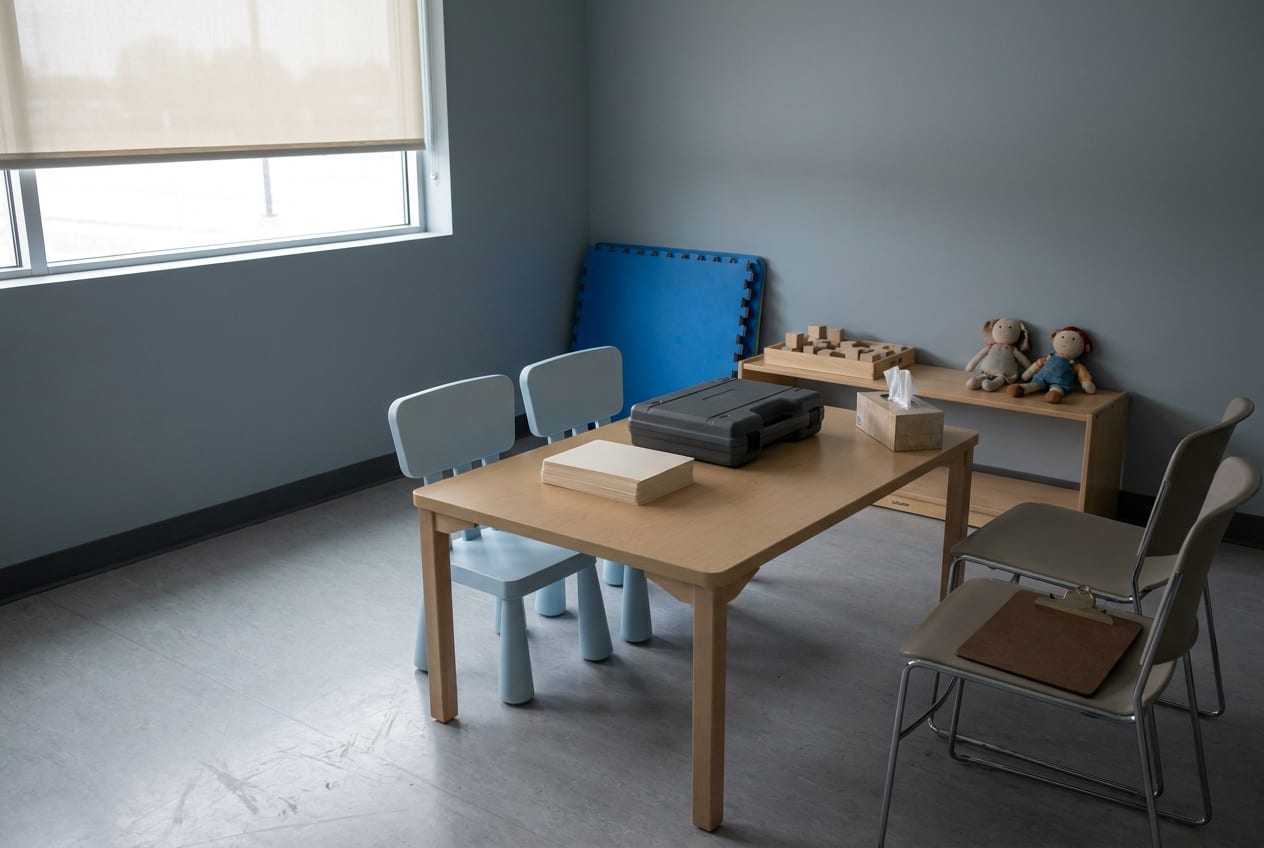
Questions to ask a private provider before booking:
- Who will assess? Names, qualifications, registrations (HCPC for psychologists, GMC for medical, BPS Chartered status). Avoid anyone unable to give names in advance.
- Is the assessment NICE-compliant? A credible provider will confirm CG170 or CG142 alignment in writing.
- Is it multi-disciplinary? NICE-compliant assessment for children should involve more than one professional. For adult assessment, a single highly qualified specialist may be appropriate; ask anyway.
- What tools will be used? ADOS-2, ADI-R, 3Di, DISCO for autism. DIVA-5, ASRS, Conners for ADHD. Standardised, named instruments.
- Will school or informant evidence be sought? For child assessment, yes. A child assessment with no school input is incomplete.
- What does the written report look like? Ask for a redacted sample. A credible report cites the criteria, the evidence, the tools used, and the assessor's reasoning.
- What follow-up is included? Some providers offer no follow-up, which is a yellow flag.
- What if you disagree with the conclusion? A second-opinion or review process suggests confidence in the work.
Reputable UK private providers include: The Owl Centre, ADHD and Autism Clinic, Clinical Partners, BUPA, Cygnet Healthcare, AudHD Psychiatry, and many independent practitioner clinics. Check HCPC or GMC registration before booking.
Will the NHS and school accept it?
Generally yes. The exceptions are predictable.
A good private diagnosis is admissible:
- For SEN Support and EHCP applications. The Local Authority cannot lawfully refuse to consider a properly conducted private diagnosis. IPSEA confirms.
- For school reasonable adjustments under the Equality Act 2010. The diagnosis (or even documented impairment without diagnosis) is sufficient.
- For Disabled Students' Allowance and Access to Work. Provider-accepted.
- For DLA or PIP applications. The diagnostic report supports the application.
Where private acceptance gets harder:
- NHS ADHD medication shared care. Some GPs decline to share care for ADHD medication prescribed after a private (or RTC) diagnosis. This is contested; ADHD UK has campaigned. Check your GP's policy before going private if you anticipate needing medication.
- Some autism-specific NHS services. A few specialist NHS services may require a re-assessment for their referral pathway. Not a formal refusal of the diagnosis; a service-level requirement.
- Some LAs informally weight NHS diagnoses higher than private in EHCP evidence. Not lawful, but happens. A well-evidenced private report cited against the LA's practice usually resolves it.
A NICE-compliant multi-disciplinary assessment with a clear report from a named HCPC or GMC-registered clinician will be accepted almost universally. A 90-minute single-clinician assessment with a two-page report may not.
Acceptance turns on the quality of the report, not on the route that produced it.
How to decide between routes
The decision depends on your child, your family, and the local NHS position. A practical decision shape:
- Start the NHS local referral anyway. Even if you plan a faster route. The NHS pathway is your insurance against private-provider issues, and the waitlist gives you optionality.
- Check Right to Choose options for your ICB. If available for your child's age and condition, RTC is the right next move for many families. Free, NHS-funded, NICE-compliant.
- Private if RTC is unavailable or the wait is still too long and the family can afford it. Choose a NICE-compliant multi-disciplinary provider with HCPC or GMC-registered staff.
- Consider a hybrid route. Some families start the NHS pathway, do a private assessment in parallel to inform school support sooner, and continue the NHS pathway for follow-up.
- Don't go private unless you can afford it without compromising other priorities (specialist tutoring, therapy, family stability). The NHS route, slow as it is, is real.
What happens after the diagnosis
Whichever route you take, what comes next is broadly the same.
- School support. The diagnosis informs SEN Support and (if needed) an EHC needs assessment.
- NHS follow-up services. Post-diagnostic workshops, occupational therapy referrals, mental health input. Varies by area.
- ADHD medication (if relevant). Initial titration with the diagnosing service, then shared care with the GP (where the GP accepts).
- DLA or PIP applications where the functional impact warrants.
- Talking to the child (see our piece on telling your child about their diagnosis).
What to do this week
Three things.
- Check the NHS local wait time. Ring the GP or the local autism or paediatric service. Note the number, not the marketing.
- Check Right to Choose availability for your ICB. Your GP can confirm whether RTC is commissioned for your child's age and condition.
- If considering private: shortlist 2-3 providers. For each, ring and ask the eight questions in the “What makes a good private assessment” section above. The conversations themselves tell you a lot.
If you want a second pair of hands on the decision, a Remarkable Minds SEND specialist will sit with you for an hour and map the pros and cons for your child, your timeline, and your local NHS position. Find a specialist (£80 a session, by video call).
Where this comes from
The sources behind every claim in this article.
- NICE diagnostic guidelines. NICE CG170 (under 19s autism); NICE CG142 (adults autism); NICE NG87 (ADHD).
- NHS waiting time reporting. NHS Digital quarterly autism waiting times data publishes England-wide ICB waits. Recent reports show the majority of ICBs exceed the NICE recommended 3-month wait by a wide margin.
- Private route guidance. AudHD Psychiatry, Private Autism Assessment Cost UK 2025; ADHD and Autism Clinic, Will the NHS accept a private autism diagnosis?.
- Right to Choose context. See our piece on Right to Choose for the full route detail.
- Free SEND advice. IPSEA; SOSSEN; your local SENDIASS; Contact.
This article is general information about UK autism and ADHD assessment routes, not clinical advice. Provider details and waiting times change frequently; verify the current position before booking. It has been reviewed by a UK SEND specialist but does not replace clinical guidance.
About the reviewer

Emma Owen
Owner of The SEN Support Studio
Former Local Authority SEN Advisor & specialist SEN teacher · 6+ years across SEN
Emma has 6+ years' experience across SEN as a teacher, Local Authority SEN Advisor and Trainer, and specialist SEN teacher. She has supported families through EHCPs, Annual Reviews, and tribunals, as well as sensory deep dives and personalised SEN Support. She works daily with complex needs including Autism, ADHD, SLCN, and sensory differences, and offers clear, practical, and personalised guidance to help parents understand their child and take confident next steps.
Scope of review: Emma reviews Remarkable Minds's content on EHCPs, annual reviews, transitions, sensory support, and parent advisory topics. She does not provide legal advice on tribunal proceedings; for that, contact IPSEA or SOSSEN.
Reviewed by Emma Owen ·